
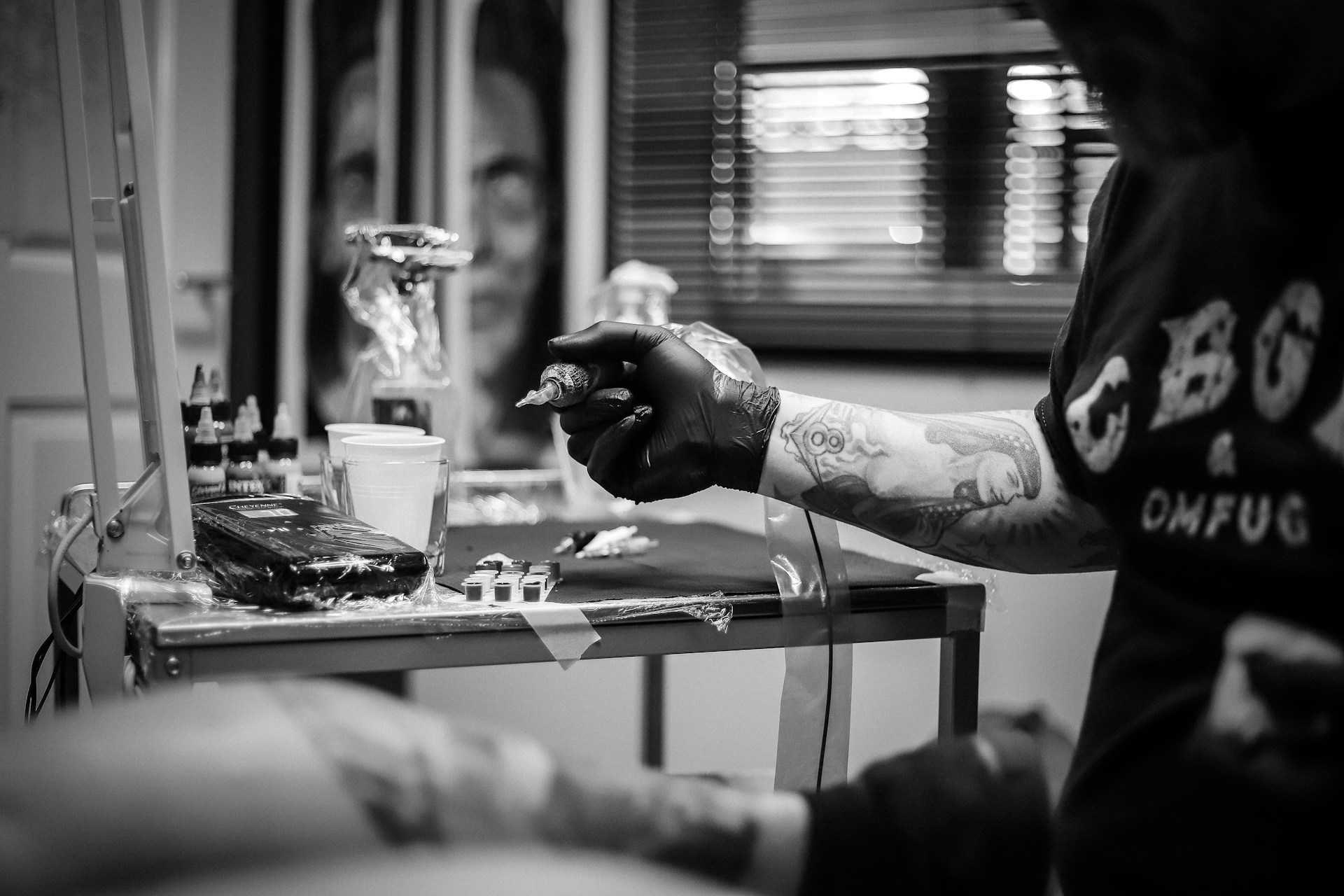
South Korea has officially legalised tattooing by non-medical professionals, ending a 33-year restriction that limited the practice to licensed doctors. The passage of the Tattooist Act marks a cultural and regulatory turning point for an art form that has thrived underground despite widespread popularity among younger generations and global admiration for Korean tattoo aesthetics.
Under the new law, tattooing and semi-permanent makeup are formally recognised as professional services. Practitioners will be required to complete hygiene training, pass certification exams, and obtain liability insurance before operating legally. The legislation introduces a two-year transition period, with full enforcement and licensing to begin in 2027.
For decades, South Korean tattooists faced fines or criminal penalties for practising without medical licences, even as demand surged domestically and abroad. The new legal framework aims to improve safety standards, formalise training, and support the economic potential of the country’s creative sector.
Industry advocates have welcomed the reform as long overdue, noting that legal recognition will help artists build sustainable businesses, attract foreign clients, and collaborate internationally. Still, challenges remain – tattoo removal and work on minors will continue to require medical supervision, and deep-rooted social stigma persists among older demographics.
The reform reflects South Korea’s gradual shift toward aligning creative freedoms with public policy. By bringing a once-stigmatised practice into the legal mainstream, the country is positioning itself to nurture a globally competitive creative industry built on professionalism, innovation, and cultural confidence.