
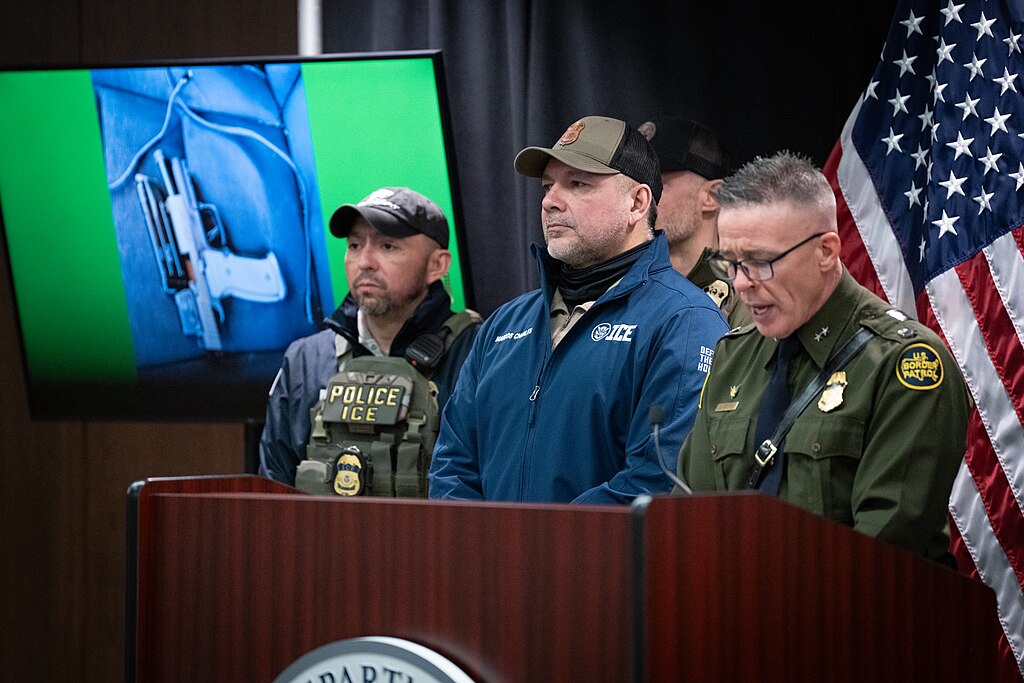
The fatal shooting of Alex Pretti by federal immigration officers in Minneapolis has prompted broad legal scrutiny and demands for a comprehensive inquiry into law enforcement conduct. The incident, captured in widely circulated video and raising questions about how the encounter unfolded, has become a flashpoint for debate over federal authority and investigative transparency.
Pretti, a 37-year-old intensive care nurse, was shot and killed on 24 January in south Minneapolis during an operation by Immigration and Customs Enforcement (ICE) and Border Patrol officers. Federal authorities initially characterised the encounter as defensive after Pretti allegedly approached officers with a firearm, a claim contested by video evidence that appears to show him recording agents and attempting to assist other civilians when he was pepper-sprayed and subdued before being shot.
The legal response has been swift and multi-layered. Minnesota’s county attorney and Bureau of Criminal Apprehension sought immediate access to the scene, only to be impeded by Department of Homeland Security (DHS) officials, prompting a lawsuit and a temporary restraining order compelling DHS to preserve evidence. The Minnesota attorney general has joined the suit, emphasising the need for a transparent, impartial investigation into potential criminal conduct by federal agents.
Political figures across the spectrum have weighed in. Republican Senator Bill Cassidy described the events as “incredibly disturbing” and called for a joint federal and state probe, while numerous Democratic legislators have linked their support for future Department of Homeland Security funding to accountability in this case. Former presidents and advocacy groups have criticised federal tactics and urged clarity on the sequence of events.
The legal contest over the Pretti killing extends beyond procedural access to evidence. It underscores unresolved questions about the standards governing use of force by federal immigration agents, the balance of authority between state and federal investigators, and how courts will interpret protections for lawful gun owners in confrontations with law enforcement. These elements continue to shape judicial and legislative responses to the shooting.