
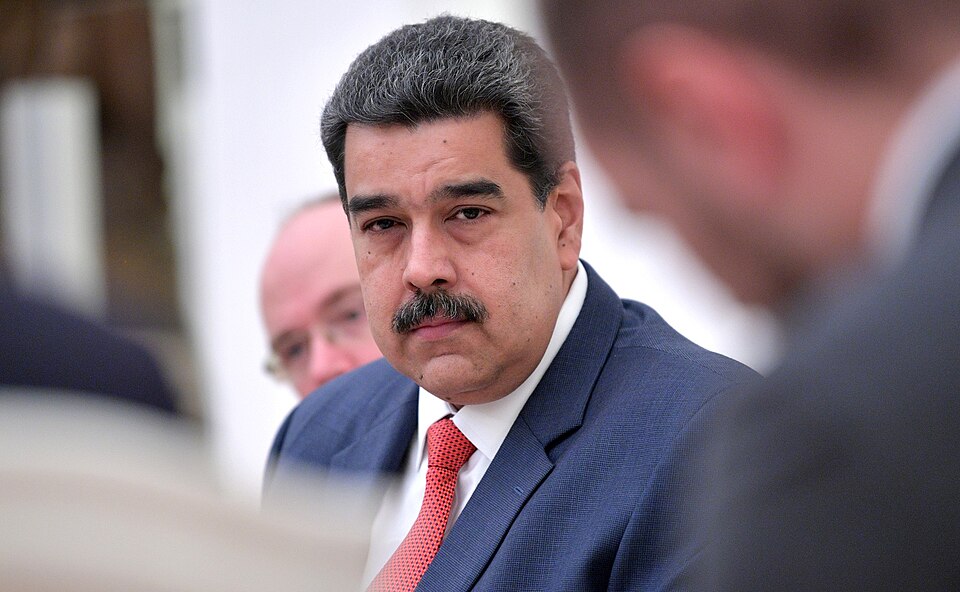
A New York court hearing on Nicolás Maduro’s access to Venezuelan state funds has sharpened attention on the legal tension between sanctions enforcement and a defendant’s right to choose counsel. The dispute centres on whether US restrictions on Venezuela can lawfully prevent the former leader and his wife, Cilia Flores, from using government money to pay for their defence in a criminal case in the United States.
At Thursday’s hearing, Judge Alvin Hellerstein appeared receptive to the argument that the couple should be allowed to access those funds, even as he declined to dismiss the case on that basis. Their lawyers had asked for dismissal after the US Office of Foreign Assets Control revoked a licence that had initially permitted payment of legal fees from Venezuelan government resources. Prosecutors argued that Maduro had “plundered” Venezuela’s wealth and should not be permitted to draw on state assets, while also claiming the couple had personal funds available, an assertion the defence denies.
The judge’s remarks suggested concern that sanctions policy may be colliding with procedural fairness. He said the right to a defence was paramount and appeared to agree with defence submissions that the case, given its scale and international setting, would be unusually burdensome for a court-appointed lawyer. Under US law, Maduro would be entitled to appointed counsel if he could not pay, but the hearing focused less on that formal safeguard than on whether it could offer an adequate substitute in a prosecution of this complexity.
Prosecutors framed the issue as one of national security and longstanding sanctions policy, while the judge questioned whether those considerations had shifted since Maduro’s capture and the reported resumption of diplomatic ties. He also noted that the Venezuelan government was willing to pay, exposing a narrower legal question beneath the political dispute, whether blocked state funds can be used when the defendant is a former head of state facing US criminal charges.
No ruling was issued from the bench, and no trial date has been set. That leaves unresolved not only the immediate question of legal fees, but also how US courts may balance sanctions controls with defence rights in cross-border prosecutions involving former political leaders.