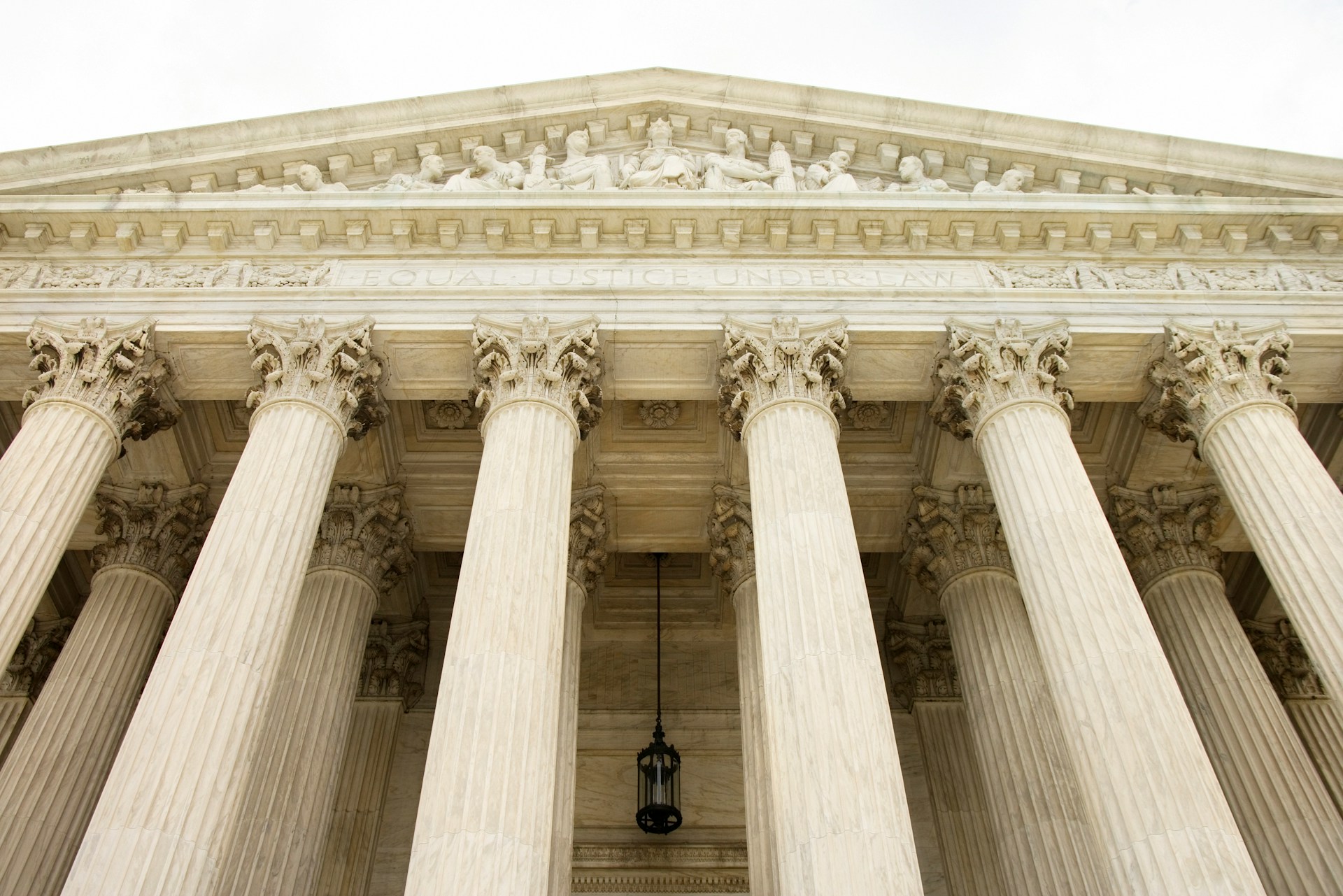
The U.S. Supreme Court is set to hear arguments regarding President Donald Trump’s controversial executive order to limit birthright citizenship. The order, which was blocked by a lower court, seeks to prevent children born on U.S. soil from automatically receiving citizenship if their parents are not American citizens or legal permanent residents.
The 14th Amendment to the U.S. Constitution, which has long been interpreted as guaranteeing birthright citizenship, is at the heart of the dispute. The provision, known as the Citizenship Clause, grants citizenship to anyone born in the United States and subject to its jurisdiction, with exceptions for children of foreign diplomats or occupying enemy forces. Trump’s administration, however, argues that the phrase “subject to the jurisdiction thereof” excludes children of immigrants who are in the country illegally or temporarily.
This policy change, aimed at curbing birth tourism and limiting immigration, has sparked widespread debate and criticism. Opponents argue that it contradicts established legal precedent, including a 1898 Supreme Court decision, United States v. Wong Kim Ark, which upheld birthright citizenship. The administration contends that this precedent is consistent with their interpretation, as the parents of Wong Kim Ark had permanent domicile in the U.S.
The outcome of the Supreme Court’s decision could significantly alter the legal status of hundreds of thousands of children born in the U.S. each year. While the Court’s conservative majority may lean in favor of Trump’s stance, the ruling will have lasting implications for U.S. immigration policy and the constitutional definition of citizenship.