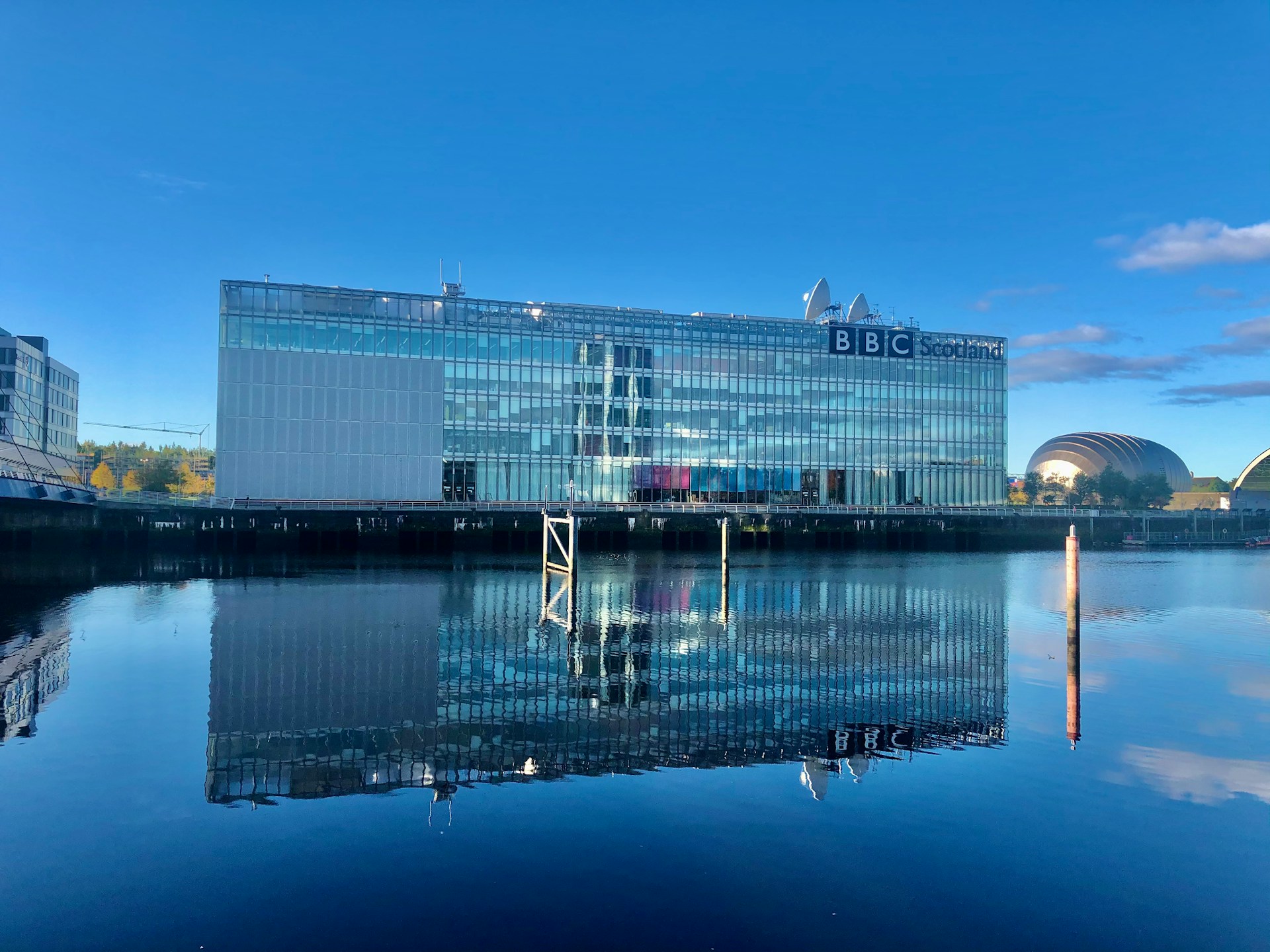
The BBC finds itself in deep institutional waters after admitting that a documentary segment edited remarks from Donald Trump in a way that gave the misleading impression he was directly inciting the 6 January 2021 Capitol attack.
According to internal review, an edition of Panorama merged two separate portions of Trump’s speech – delivered roughly an hour apart – creating the sequence: “We’re going to walk down to the Capitol… and we fight like hell.” That phrasing suggested a unified urge to violent action when, in fact, his earlier remarks included a call to march “peacefully and patriotically.”
In response, the BBC’s chair, Samir Shah, issued a public apology, describing the matter as an “error of judgment”. He acknowledged the edited version “gave the impression of a direct call for violent action.” The director-general and head of BBC News – Tim Davie and Deborah Turness respectively – resigned over the episode.
This incident touches on the core of the BBC’s mandate: impartial, trustworthy journalism. With over 500 complaints lodged and questions raised about systemic bias – especially given the timing of the broadcast just ahead of the U.S. election – the trust cushion has been tested.
For legal-risk management, the broadcaster now faces a threatened lawsuit from Trump’s legal team demanding retraction, apology, and compensation to the tune of at least $1 billion under Florida defamation law.
Ultimately, the crisis serves as a reminder that editorial integrity is not a given. The BBC must now chart a path to rebuild credibility – revising governance and oversight mechanisms – while resisting the narrative of ideological capture. The moment may be a turning point in how public-service media navigate the minefield of political scrutiny and globalised consumption.