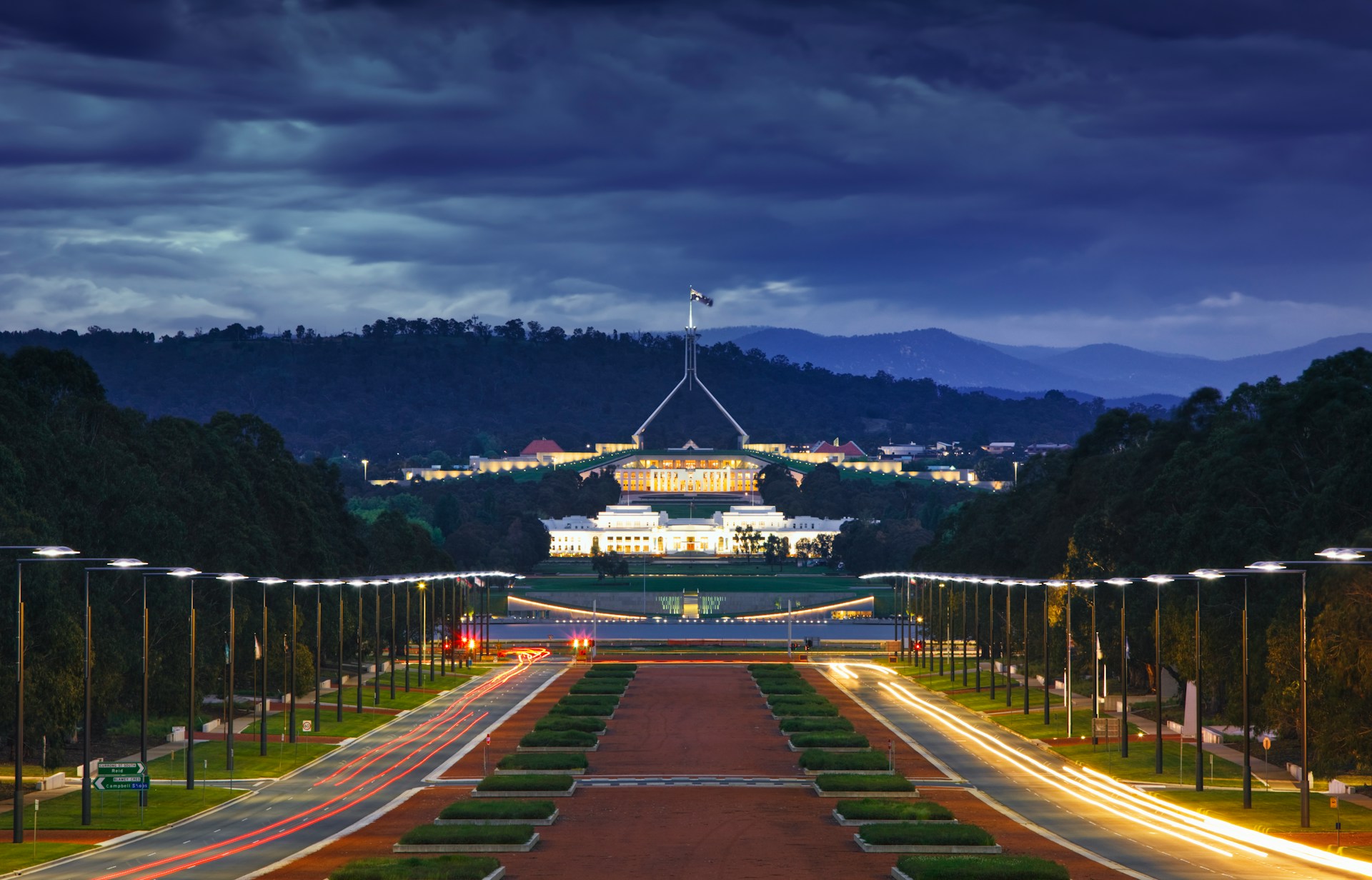
Australia’s highest court has upheld legislation that cancelled a 99-year lease originally granted to a foreign state for a new embassy just 300 metres from Parliament House – confirming the government’s right to act on security grounds, while also finding that compensation must be provided.
The dispute began in 2008 when the lease was granted; construction barely advanced and in 2023 the government passed legislation swiftly to terminate the arrangement, citing classified security advice. Although the eviction was deemed constitutionally valid, the ruling reinforces that such government action still amounts to an acquisition of property under the constitution – triggering an obligation to provide “just terms”.
For legal teams, policymakers and corporate counsels, the ruling holds immediate lessons. First: when national-security considerations drive land-use or tenant decisions, legislation must be crafted precisely and withstand constitutional scrutiny. Second: even where governments assert security-based grounds, they may still become liable for compensation – underscoring the importance of cost risk assessment in sovereign actions. Third: private entities (including foreign-state actors) holding long-term leases adjacent to sensitive sites now face elevated scrutiny, and must factor the risk of legislative override into their strategic planning and contract negotiation. The case reaffirms that while governments retain broad powers in the interests of national security, the rule of law remains in play – requiring both legal validity and financial fairness.