
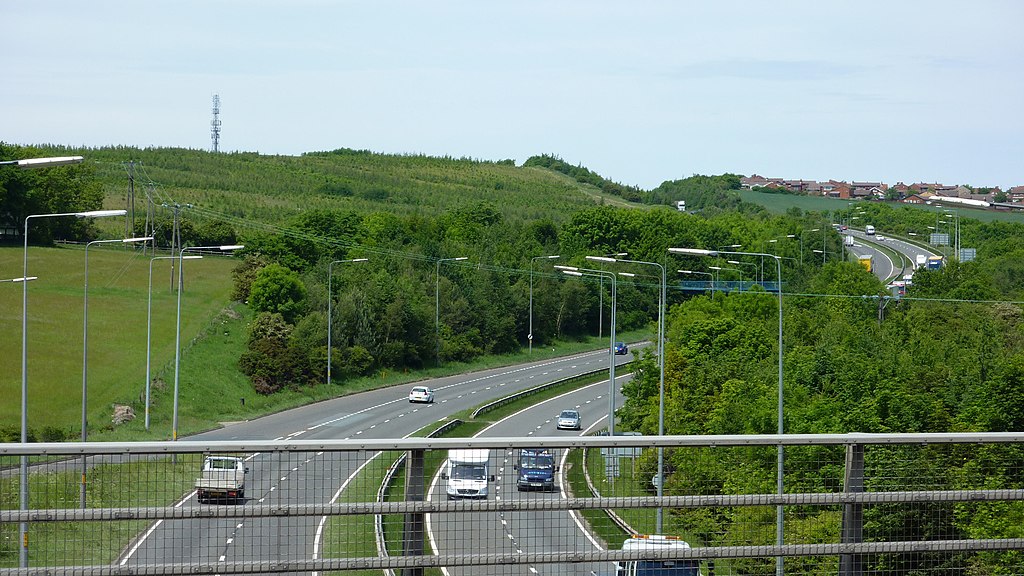
Plans to create one of the largest new forests in decades in County Durham have been paused after the High Court ordered a full substantive hearing into the project’s environmental approvals. The ruling introduces fresh legal uncertainty for the proposed Greencroft Forest scheme.
Investment firm True North had intended to plant 600,000 trees in Lanchester as part of a combined timber production forest and holiday park development. However, local company Lanchester Properties brought a legal challenge arguing that the Forestry Commission had wrongly permitted the scheme to proceed without requiring a full Environmental Impact Assessment. On 30 January, the High Court ruled that the case should proceed to a detailed hearing to determine whether such an assessment is legally necessary, halting afforestation plans in the interim.
Lanchester Properties said residents had not been adequately informed about the nature of the project, claiming the site would be dominated by Sitka spruce, a non-native, fast-growing conifer. The company argued that such planting could reduce biodiversity, create monoculture landscapes and increase flooding risks. It also stated that the forest could interfere with three wind turbines at its nearby factory, potentially resulting in significant financial costs. The firm said it had borne the cost of the legal action on behalf of concerned residents and landowners.
True North has maintained that the scheme would improve biodiversity and mitigate flood risk by introducing a mix of tree species on previously unobstructed farmland. Director Harry Humble described the ruling as disappointing and said the delay would prevent planting from beginning this spring, adding that legal costs for the taxpayer would continue to rise while the case remains before the courts.
A judicial review in September had found that the Forestry Commission applied its environmental planning rules appropriately. The forthcoming hearing will now determine whether the statutory framework required a fuller environmental assessment before consent was granted, leaving the project’s future contingent on judicial interpretation of planning obligations.