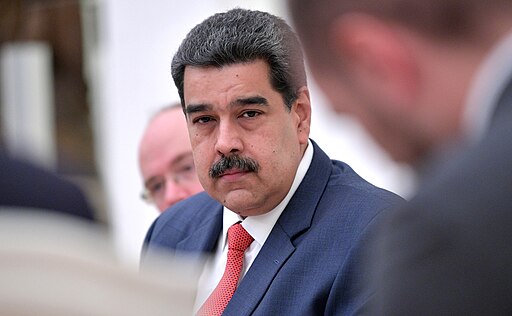
The legality of the United States’ military operation that seized Venezuelan President Nicolás Maduro and brought him to New York to face criminal charges was under intense scrutiny at the United Nations on Monday, highlighting deep questions about international law and state sovereignty. The U.N. Security Council convened to assess whether the extraordinary action complied with established legal norms governing the use of force.
The U.S. operation in Caracas on January 3 involved strikes on Venezuelan military targets and the extraction of Maduro and his wife, Cilia Flores, who now await court proceedings in the United States on drug-related charges. Maduro and Flores were indicted on narco-terrorism and related conspiracies, but legal experts and several member states argue that such criminal allegations do not, under international law, justify unilateral military intervention in another sovereign state.
At the U.N., nations like Russia and China condemned the U.S. action as a violation of the United Nations Charter’s prohibition on the use of force without Security Council authorisation or clear self-defence justification. U.N. Secretary-General António Guterres described the raid as setting a “dangerous precedent”, underscoring concerns about erosion of norms that protect national sovereignty. Some European states, while critical of Maduro’s government, emphasised the importance of adherence to international legal principles but stopped short of directly rebuking Washington.
Legal scholars point out that the absence of Venezuelan consent, lack of U.N. authority, and the fact that drug trafficking does not constitute an armed attack under Article 51 of the U.N. Charter are central to arguments that the operation was unlawful. Although the U.S. wields veto power on the Security Council, allowing it to block any censure, the debate at the U.N. reflects broader unease about powerful states’ willingness to act unilaterally when legal grounds are contested.
The unresolved legal dimension now centres on how international institutions will address such precedents, and whether existing frameworks can effectively constrain future interventions by major powers without undermining the rule-based global order.