
Musk’s Legal Losses Test Litigation Tactics
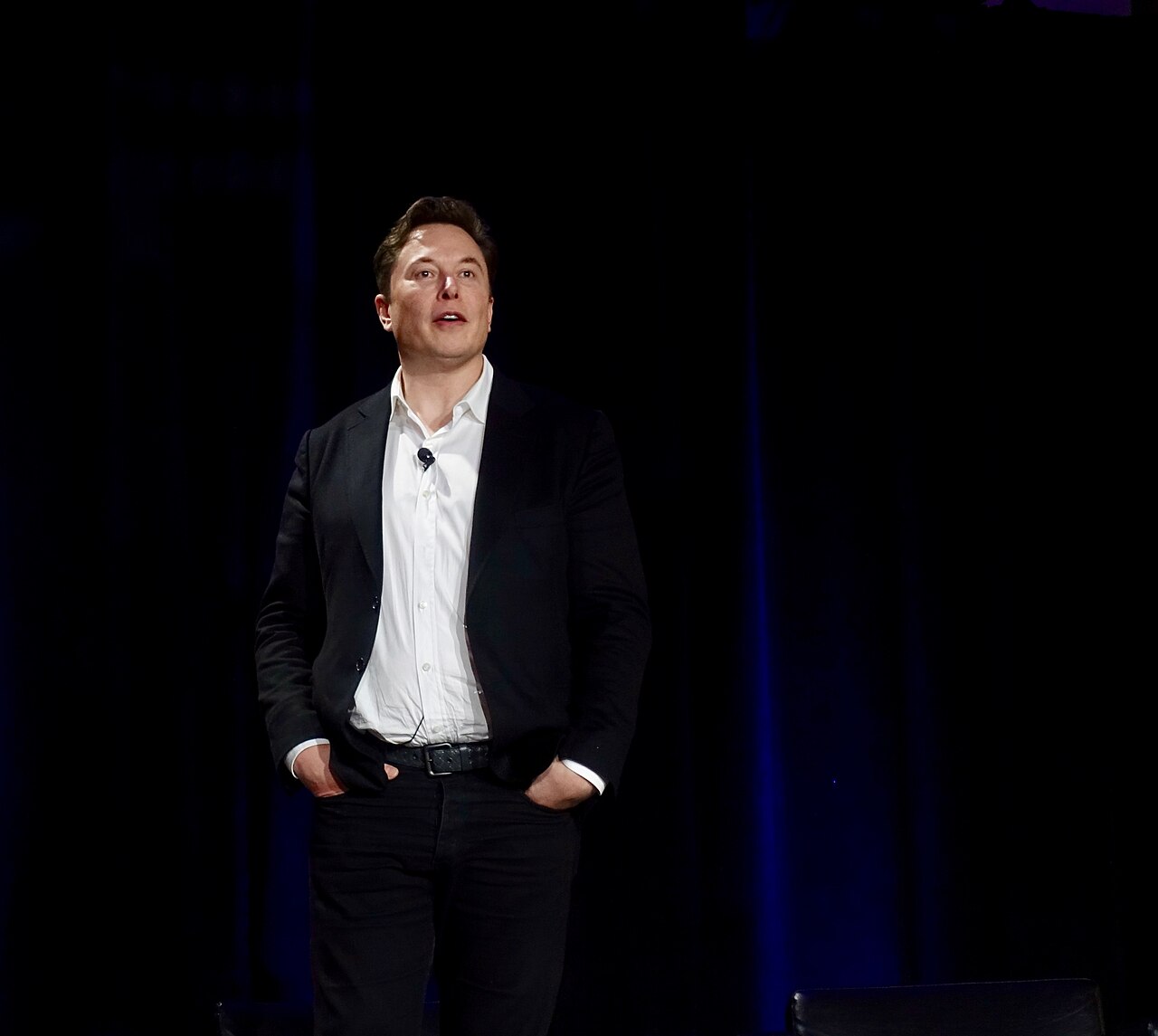
Elon Musk’s latest defeat in his lawsuit against OpenAI and Sam Altman has sharpened questions about how far an aggressive litigation strategy can travel when courtroom outcomes repeatedly fail to support it. The ruling follows a series of recent legal losses and settlements across disputes involving X, investors, advertisers and government-linked actions.
The pattern is now difficult to separate from Musk’s wider business posture. Late last year, he settled with former Twitter executives and thousands of former employees after a prolonged fight over payments. In March, he lost a case brought by Twitter investors who argued they were misled by public statements during the takeover. That same month, a judge dismissed his lawsuit against advertisers that had left the platform. In May, another judge reversed certain Doge actions, finding cuts to some grants to be unconstitutional viewpoint discrimination.
Legal specialists have suggested that the issue is not simply whether Musk has the right to bring claims, but whether the courts are proving an effective arena for the outcomes he seeks. Shubha Ghosh, a lawyer and law professor at Syracuse University, said Musk was not necessarily abusing the legal system, though he questioned whether he was using it effectively. Dorothy Lund, a Columbia Law School professor, said Musk’s wealth made it unlikely that legal costs or fines would significantly deter him.
That financial insulation is central to the legal dynamic. A recent $1.5m fine from the US Securities and Exchange Commission over Musk’s delayed disclosure of Twitter stock accumulation was described as minor against his resources. After a judge invalidated his multi-billion-dollar Tesla pay package in 2024, Musk shifted the company’s incorporation to Texas and gained shareholder approval for a potentially larger package.
The unresolved question is whether litigation can restrain a figure for whom adverse judgments, fines and public criticism appear to carry limited practical consequence. Musk has criticised the OpenAI ruling, attacked the judge and said he will appeal, indicating that legal defeat may alter the next filing more than the underlying strategy.