
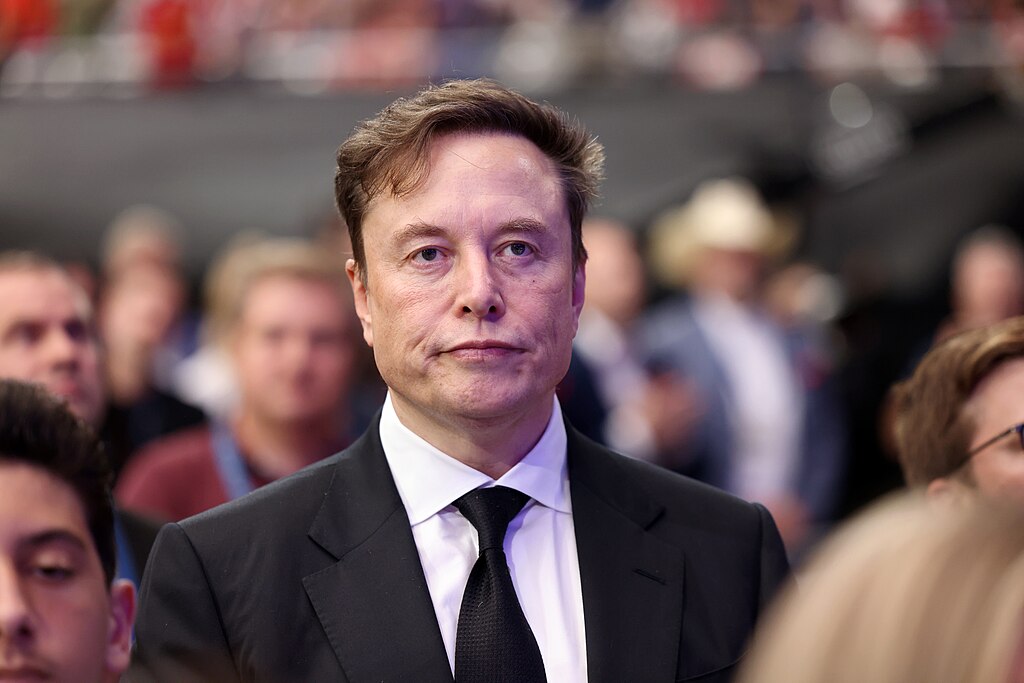
A U.S. federal judge has ruled that Elon Musk’s lawsuit against OpenAI, the artificial intelligence developer behind ChatGPT, can proceed to a jury trial in March 2026, rejecting efforts to dismiss the case at an early stage. The decision marks a significant legal development in a high-profile dispute over how OpenAI evolved from a nonprofit research lab into a for-profit entity.
Musk, who was a co-founder of OpenAI in 2015 and left the organisation in 2018, alleges that the company and its leaders violated the original mission by restructuring in ways that prioritised profit and personal gain. He contends that his early contributions — including roughly $38 million and strategic support — were made on assurances that OpenAI would remain nonprofit and dedicated to public benefit. The lawsuit seeks unspecified monetary damages tied to what Musk calls “ill-gotten gains” as a result of deals, including multibillion-dollar arrangements with Microsoft.
At a hearing in Oakland, California, U.S. District Judge Yvonne Gonzalez Rogers found there was “plenty of evidence” suggesting disputed facts that a jury should consider, rather than resolving key issues through summary judgment. The judge noted that assurances about OpenAI’s nonprofit status and the circumstances surrounding its transition to a for-profit structure raise questions of fact suitable for trial. OpenAI had urged the court to throw out the suit, arguing there was insufficient basis to sustain allegations of fraud, breach of contract and other claims.
OpenAI and Microsoft have both denied Musk’s assertions, with the company describing the lawsuit as baseless and part of an ongoing pattern of harassment by a commercial competitor. OpenAI leaders, including CEO Sam Altman and co-founder Greg Brockman, have defended the organisation’s evolution as consistent with the needs of advancing AI research and commercial partnerships