US Blocks Maduro Legal Funding
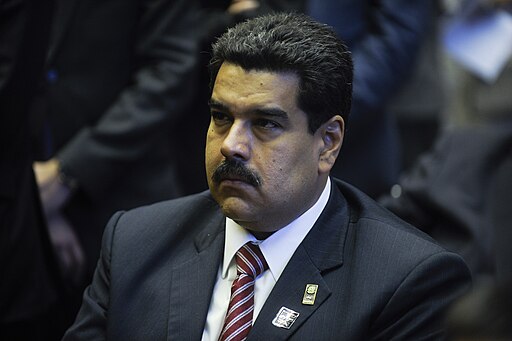
The United States government has blocked Venezuela from paying the legal fees of former president Nicolas Maduro as he faces drug trafficking charges in New York, adding a sanctions dimension to an already high-profile criminal case.
In a letter to US District Judge Alvin Hellerstein, defence lawyer Barry Pollack said the Treasury Department initially granted an exemption on 9 January to allow the Venezuelan government to fund Maduro’s representation, before revoking it hours later without explanation. Pollack argued that Venezuelan law and custom require the state to cover the expenses of the president and first lady, and that Maduro cannot otherwise afford counsel. He wrote that the government of Venezuela has an obligation to meet those costs and that Maduro has a legitimate expectation it would do so.
Maduro and his wife, Cilia Flores, pleaded not guilty on 5 January to drug trafficking charges that could result in decades in prison if convicted. Both are detained in New York awaiting trial after being captured by US special forces in a nighttime raid in Caracas on 3 January. Prosecutors allege that Maduro abused his authority over a 13-year tenure to assist drug traffickers. During a court appearance, Maduro stated that he remained Venezuela’s legitimate president. Since his capture, former vice-president Delcy Rodriguez has been running the country.
A spokesperson for the Manhattan US Attorney’s office declined to comment on the funding issue, and the Treasury Department did not immediately respond to requests for clarification. Pollack indicated that Flores may still be able to receive government funds for her defence, though her lawyer has not publicly addressed the matter.
The dispute over legal fees introduces further complexity to proceedings that already intersect criminal law, sanctions policy and questions of state authority, with the court now overseeing both the substantive charges and the practical conditions under which the defence can be mounted.